The Academic Advisory Board (AAB) is an integral part of GRIOS governance. Its main role is to advise the Steering Committee on academic matters and ensure the academic rigour and quality of the work produced by the initiative. The AAB comprises 10 leading scholars from nine countries across Europe, Africa, and the Americas, selected through an open process to ensure diverse representation of geographic regions and academic disciplines relevant to GRIOS’s work.
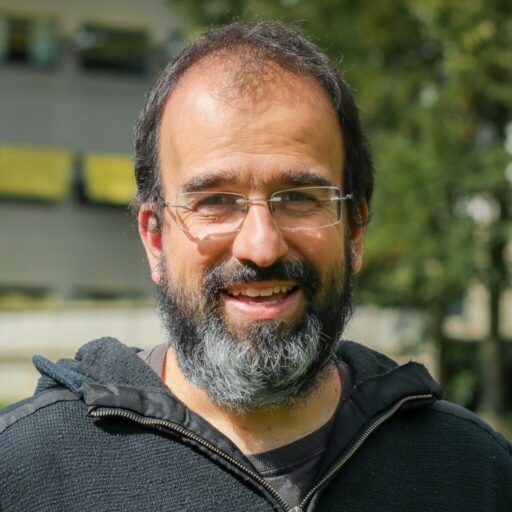
Florian is a psychiatrist, meta-researcher and former post-doctoral fellow at METRICS (the Meta-research Innovation Center at Stanford). He is currently Professor of Therapeutics at Rennes University, and a senior member at the Institut Universitaire de France.
His research interests are evaluating and developing methodological solutions to assess treatments in patients, primarily but not exclusively in psychiatric research. He has a strong interest in studying research waste and data-sharing practices.
Florian is founding member of the Global Research Initiative on Open Science (GRIOS) and Chair of its Academic Advisory Board.

Abdelghani holds a PhD in economics and science studies. His research lies at the intersection of scientometrics, the economics of knowledge, and the sociology of science, with a focus on the transformation of scientific publishing practices, the effects of Open Access on the production and dissemination of knowledge, and issues related to research integrity.
His work relies on large-scale bibliometric and patent data. He is the Principal Investigator of the OPENIT and ECOS projects, which examine long-term transformations in scholarly publishing in the context of open science. He also contributes to funded projects such as OSYR (Open Science for Young Researchers) and ROR², focusing on open science and research integrity. He is actively engaged in open science advocacy and research evaluation, serving as Open Science Referent at GEMASS, Treasurer of ENRESSH (European Network for Research Evaluation in the Social Sciences and Humanities), and STI correspondent for InSHS (CNRS).
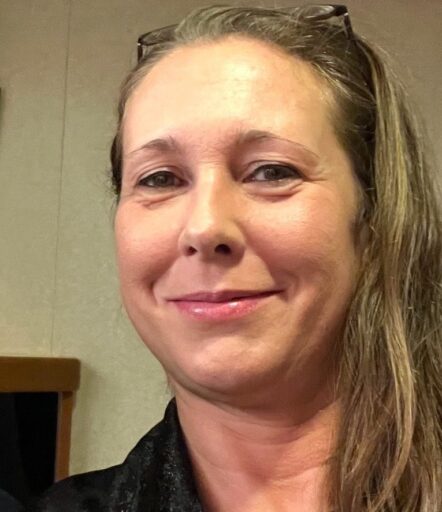
Amanda Blatch‑Jones is a Senior Research Fellow at the NIHR, based at the University of Southampton, with over 17 years of experience in Research on Research (RoR). She generates evidence‑informed insights to strengthen how research is funded, assessed, and evaluated, with a strong academic and professional background in open research practices.
Amanda actively contributes to initiatives advancing transparency, including serving on advisory boards for the TOP Guidelines, and F1000Research, and as an Associate Editor for BMC journals. She also holds editorial and reviewer roles across several research integrity and health fields and is a Visiting Senior Fellow at the Research on Research Institute. Her work aims to improve research systems, so investments deliver meaningful value for society.
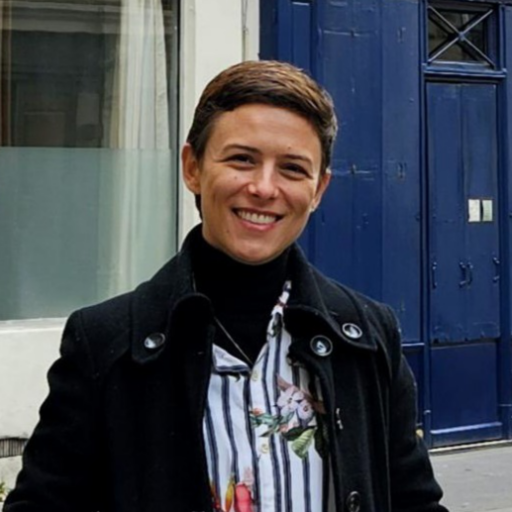
Eduarda is originally from Brazil. She holds a Bachelor’s degree in Biotechnology from the Federal University of Pelotas, a Master’s in Neuroscience from the NEURASMUS program (dual degree: University of Bordeaux – France and Vrije Universiteit Amsterdam – Netherlands), and a PhD in Neuroscience from the University of Bordeaux.
For the past eight years, she has been promoting the values of open science across several countries. Eduarda has served on different boards, including the Open Science Community Amsterdam and Knowledge Exchange, and currently the International Network of Open Science & Scholarship Communities (INOSC). She is presently the Executive Director of the Brazilian Reproducibility Network.
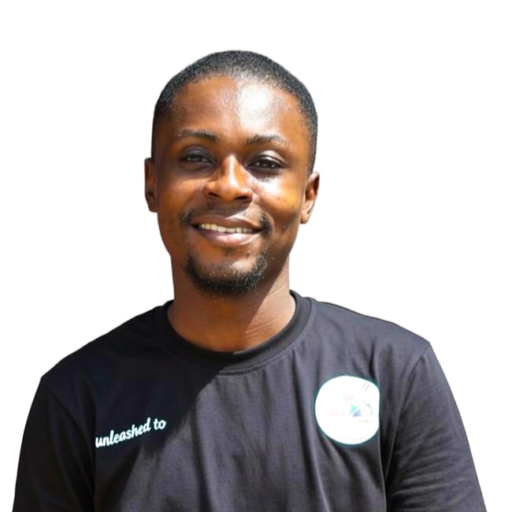
Emmanuel is the Founder and Executive Director of the African Reproducibility Network (AREN), a grassroots-led organisation bridging the gaps in promoting best research practices in Africa. He is a dedicated advocate for open science, metascience, and reproducibility, committed to sustainably strengthening the capacity of researchers and institutions in Africa to shape the global research ecosystem.
Through his visionary leadership, AREN has grown to reach researchers in 32 countries and over 150 institutions across Africa, trained open science champions who have established communities of practice at 28 African institutions in 15 countries, and established strategic partnerships connecting African researchers with several global initiatives. He has worked with organisations such as the Association of African Universities (AAU), the Centre for Open Science (COS), and PLOS, and delivered keynotes at major international conferences, sharing insights on the future of open research from an African perspective.
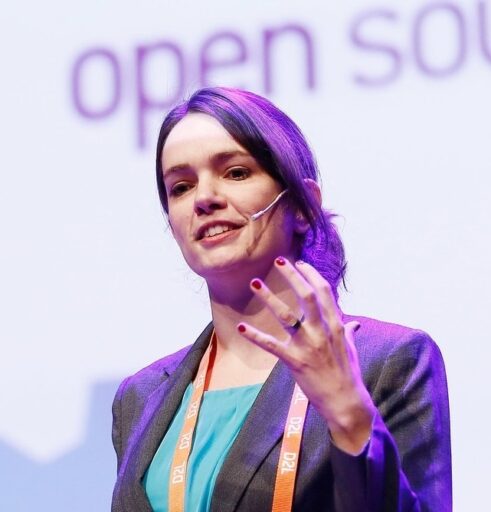
Erin McKiernan is a professor in the Department of Physics, School of Sciences at the National Autonomous University of Mexico (UNAM), working primarily with the undergraduate degree program in Biomedical Physics. She has a Bachelor’s degree in Psychology and both a Master’s and PhD in Physiological Sciences with minors in neuroscience, all from the University of Arizona.
Her research focuses on the biophysics and electrical activity of excitable cells, like neurons and myocytes. She also conducts interdisciplinary research on academic assessment and open science. She is Director of Programs & Strategies for the Open Research Community Accelerator (ORCA), a non-profit dedicated to making science more engaging, accessible, and actionable.
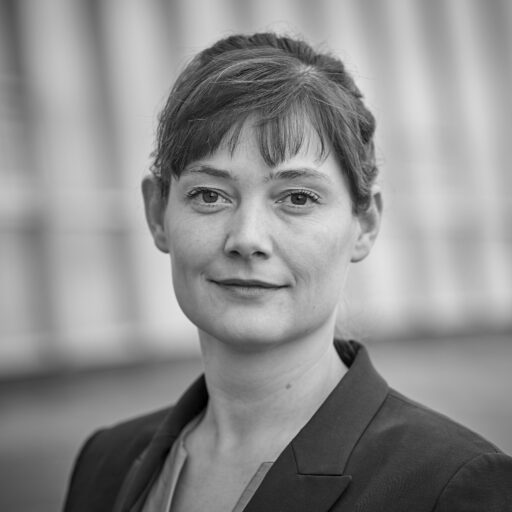
Julia is an expert in learning open science, ethics and integrity, and social technologies. She leads the Zentrum für Konstruktive Erziehungswissenschaft and conducts her research at Kiel University. Before this, she was a professor of Education and Didactics at the University of Applied Sciences Coburg (Academic Centre for Sciences and Humanities), implementing an interdisciplinary study program for all faculties.
In 2020, she became the Dean of Studies at the Academic Centre for Sciences and Humanities and founded the Teaching and Learning Scientific Practice network.
She coordinates IP4OS, a €2M Horizon Europe project on Open Science and Intellectual Property, and is one of the coordinators of the €2.5M Horizon 2020 project, Path2Integrity.
She actively supported EOSC from 2022-2025 and co-founded NERQ (Network for Education and Research Quality). The University of Kiel awarded her the Innovative and Trendsetting Teaching prize; she won the Genius Loci-Preis with the Coburger Weg team. Her digital learning settings for students and pupils are open source, and she won both the #WeForSchool Hackathon and the #EUvsVirus Hackathon.
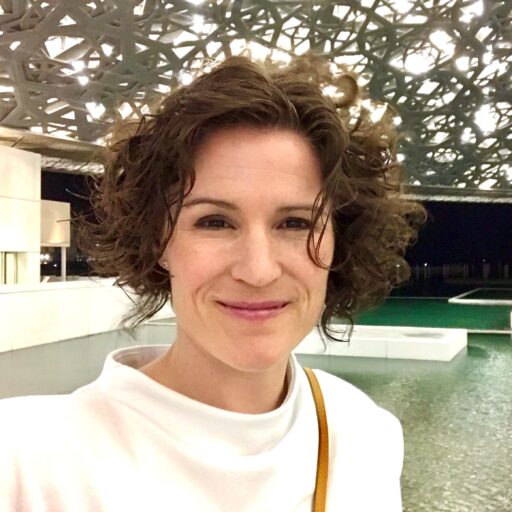
Dr. Natalie Harrower is the Executive Director of the Canadian Research Data Centre Network (CRDCN), based at McMaster University in Ontario, Canada. She was previously the Director of the Digital Repository of Ireland (2015-2022), where she implemented FAIR practices and steered the National Open Research Forum towards the first roadmap and national funding for open research in Ireland.
Natalie serves on the National Data Governance Framework advisory committee to the Chief Science Advisor of Canada, the Council of Canadian Academies’ expert panel on Enhancing Canada’s National Research Infrastructure, and the Canadian Persistent Identifier Advisory Committee. She coauthored Turning FAIR into Reality as part of the EC’s first high-level expert group on FAIR data (2018), and subsequently served on the first EOSC working groups. For ALLEA (all European Academies), she chaired E-Humanities working group (2015-2020), and served on the Open Science Taskforce. Natalie has served on several Open-Research-focused advisory boards, such as FAIR-IMPACT and WorldFAIR.

Nchangwi focuses her work on science for society and does research at the intersection of open science, data governance, genomics and global health. Her research pays particular attention to justice and fairness in global health research, data sharing, public and patient engagement / involvement in scientific research…
responsible use of data science and genetics, including sickle cell disease and infectious diseases, and psycho-social considerations in health research and medicine.
Nchangwi draws on African philosophical perspectives and empirical ethics to contribute to discussions on responsible and equitable scientific research practice.
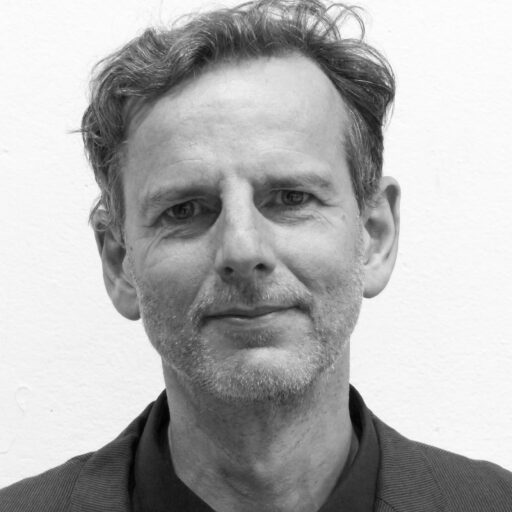
Neil is leading the Open Research Programme of UKRN and works to establish UKRN on a sustainable footing. He has previously worked at UKRI in the research integrity strategy team, contributing to the design of the UK Committee on Research Integrity, and as co-lead for open science policy in the UK Government during the set-up of UKRI.
During 2005 to 2020 he worked for Jisc on infrastructure and open research innovation programmes and led a team delivering services and policy advice on open access. He is chair of the Directory of Open Access Books supervisory board, on the academic advisory board of the Global Research Initiative on Open Science and plays a leading role in the Global Federation of Reproducibility Networks. He is currently co-leading meta-research on institutional decision-making and on open research practices.
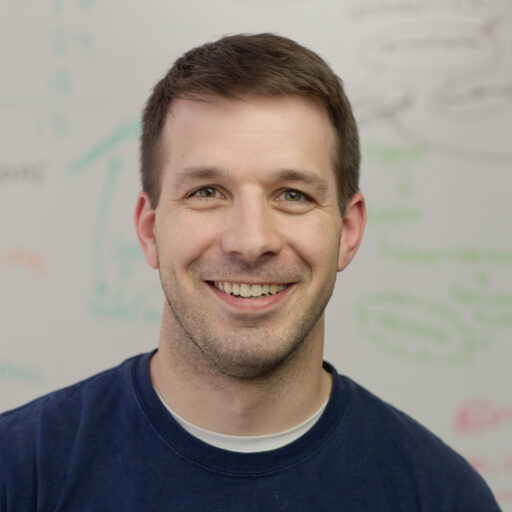
Tim is the Senior Director of Research at the Center for Open Science (COS) that aims to increase openness, integrity, and reproducibility of scientific research. In that position he conducts and collaborates with researchers and stakeholders across scientific disciplines and organizations on metascience projects…
aimed to understand the current research process and evaluate initiatives designed to increase reproducibility and openness of scientific research. These include large scale replication and reproducibility projects such as the Reproducibility Project: Cancer Biology and the DARPA supported Systematizing Confidence in Open Research and Evidence (SCORE), and evaluation projects of new initiatives such as open science badges, Registered Reports, automated confidence assessment, and pilot programs to increase rigor and openness of research.